BrainstemDefensive StatesOptogenetics
Brainstem circuits for defensive states
Mapping survival circuitries
ChatGPT/Prompt: nerve cells/2026
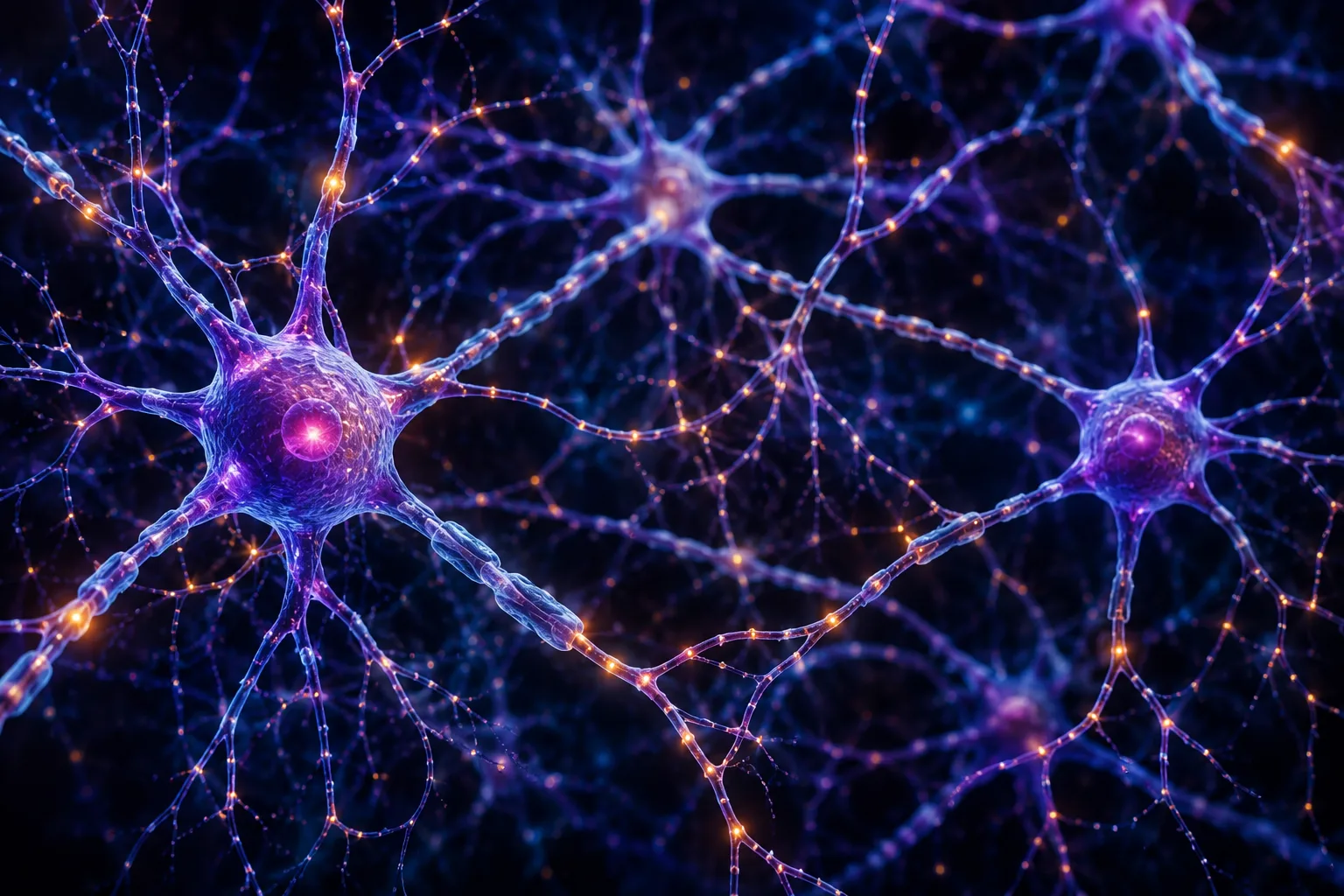
The encounter of a threat evokes a multitude of systemic adjustments in order to avoid or reduce harm. ‘Defensive states’ are thus an important evolutionary adaptation, which has evolved in many animals and humans. However, a dysfunctional neuronal network that underlies those defensive states can lead to a variety of anxiety disorders in humans. The consequences are exaggerated reactions towards a (putative) threatening stimulus. A better understanding of the neuronal mechanisms that underlie defensive states is a fundamental prerequisite for new translational research approaches and find efficient and targeted therapies for anxiety disorder patients. Defensive states encompass for example changes in the behavior or cardiovascular adaptations. We aim at capturing dynamic state interactions by measuring a variety of different parameters simultaneously. Using novel analytical approaches, we define stereotypic combinations of those parameters building a distinct defensive state. Our research focuses on the neural brain circuitries underlying those short-lasting microstates and long-lasting macrostates defensive states. Specifically, we concentrate onto brainstem circuits that exert control over and integrate behavioral and cardiac functions during the fear reaction. For this, we are using modern neuroscience techniques like anatomical tracings, optogenetics, in vivo calcium imaging, and in vitro electrophysiological recordings of identified neuronal circuit elements. The systems neuroscience approach allows us to observe and perturb certain neuronal populations not only defined by their molecular identity, but also by their connectivity with other specific circuit elements.