InteroceptionHeart-BrainAutonomic
Cardiac interoception processes
Heart-brain communication
HT-Studio
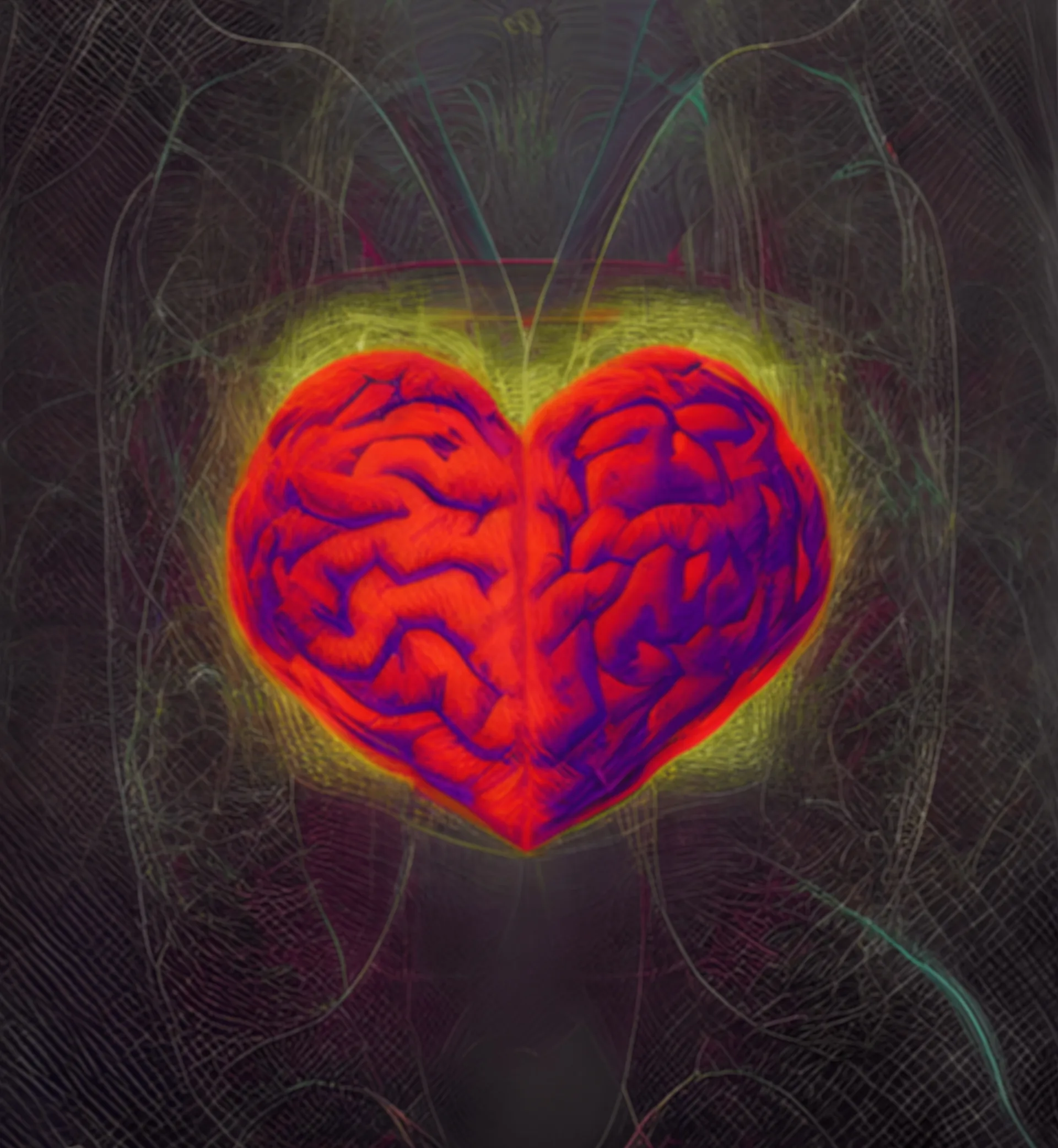
Mental and cardiac health are intricately linked, as exemplified by a number of clinical studies showing increased risk of heart disease in patients suffering from depression or anxiety-related disorders. The autonomic nervous system links brain and heart, and serves as a crucial network element for bidirectional information flow. Yet, little is known about the circuit mechanisms underlying heart-brain communication and how cardiac feedback to the brain, a process termed interoception, influences affective behavioral states. In the DCL we are developing state-of-the-art methods to modulate heart rate in freely moving mice by optical activation of cardiac-innervating neurons. By combining cardiac optogenetics, heart rate and neuronal activity measurements with classic and semi-naturalistic behavioral fear and anxiety tests in rodents we investigate the network mechanisms underlying internal states and their corresponding bodily functions. Together with the cardiology department at the University Hospital Würzburg we aim to develop a technology for general application in cardiology and neurobiology research to study pathophysiological processes in inter-organ systems disease mechanisms.